
 Dispensaries
 Deliveries
 Brands
  Deals
Deals Learn
Learn Strains
  Doctors
Key Takeaways
- THC and CBD combined tend to work better for chemotherapy nausea than either cannabinoid used alone.
- Two cannabinoid medications, dronabinol and nabilone, are FDA-approved for chemo nausea that resists standard anti-nausea drugs.
- Cancer is a qualifying condition for medical cannabis in most US states and in Canada, though paperwork varies.
- Talk to your oncology team first. Cannabis can interact with chemotherapy drugs, blood thinners, and anti-anxiety medications.
Why Chemotherapy Causes Such Severe Nausea
Chemotherapy is very tough on the body. It goes after the cells that grow quickly. The lining of your stomach and intestines also grows quickly. So chemotherapy often bothers this lining too. When this lining gets upset it sends a message to the part of your brain that controls vomiting. This can happen before you even feel queasy. Certain chemotherapy drugs, like cisplatin are known to cause this problem. They make the serotonin in your gut go up. This hurts the nerve endings that are connected to the vagus nerve. If you have radiation therapy near your brain or stomach you might get nausea too. Not having water in your body and being constipated can make the nausea even worse. Understanding why nausea happens can help us see why cannabis helps some people who are getting chemotherapy while other medicines work better for people.
How Cannabis Helps With Chemotherapy-Induced Nausea
Cannabis has been studied for a time since the 1970s to see if it can help with sickness from chemotherapy. Then researchers found out that a part of cannabis called THC can really reduce throwing up in people with cancer. This led to the creation of man-made THC medicines that the FDA approved, like dronabinol.
A big survey was done with cancer patients at special cancer centers. The results were very good. Among the people who used cannabis 65 percent said they felt less sick. 75 Percent said their pain was better and 56 percent had an appetite.
THC, CBD, and the Entourage Effect
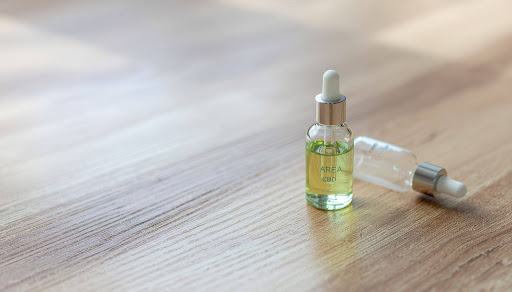
THC and CBD tinctures used together for chemotherapy-induced nausea
Best Cannabis Strains for Chemotherapy Patients
When it comes to the best cannabis strains for people who are going through chemotherapy there are things that these strains have in common. The best cannabis strains for chemotherapy patients usually have a balance of things or they have a little more THC in them.
They also have an effect because of the terpene profiles. People who use these cannabis strains say they help with their stomach. They do not make them feel anxious or like their thoughts are racing.
Nurses who work with cancer patients say that the best cannabis strain for chemotherapy patients really depends on how experienced that person has with cannabis. If someone is new to using cannabis, a strain with a lot of THC can actually be bad for them.
Best Cannabis for Chemotherapy: Choosing a Delivery Method
The best cannabis for chemotherapy relief is not about the type of cannabis. The way you take cannabis matters as much as the type of cannabis. If you use forms like vaporized flowers the cannabis will start working fast usually within 15 to 45 minutes. This can be very helpful if you have nausea from the chemotherapy.
Inhaled forms may not be the best choice if your lungs or your immune system are weak during the chemotherapy treatment.
On the other hand , cannabis edibles and cannabis tinctures take longer to start working, often 45 minutes to two hours.
The good thing about cannabis edibles and cannabis tinctures is that the effects of the cannabis will last longer and you will not have to deal with any smoke at all.
The teams that help people with cancer usually recommend that new patients start with dose cannabis oral or sublingual products.
This way it is easier to control how cannabis you are taking and the effects of the cannabis are more predictable, with cannabis oral or sublingual products.
Recommended Resources:
Medical Cannabis for Chemotherapy: What the Research Actually Shows
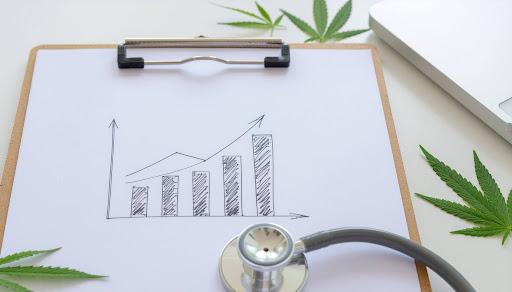
Medical cannabis for chemotherapy research and clinical evidence
Medical cannabis is really helping people who are going through chemotherapy. There is proof that it works. The Food and Drug Administration still does not say that cannabis is okay to use to treat cancer. They do say that some medicines with cannabis in them are okay to use. These are dronabinol and nabilone. Doctors give these to people who are feeling sick from chemotherapy when other medicines do not work.
The American Society of Clinical Oncology made some rules about cannabis in 2024. They said that people are using cannabis a lot but we do not know enough about it yet. So now doctors want people to talk openly about cannabis instead of just guessing what to do. Medical cannabis is a deal and doctors want to know more about how it helps people who are going through chemotherapy, with medical cannabis.
Cannabis for Chemotherapy Side Effects Beyond Nausea
What Oncology Nurses Want Patients and Caregivers to Know
Oncology nurses are usually the people that cancer patients ask about using cannabis to help with chemotherapy. These nurses do not just say no to cannabis. They want to make sure that patients are safe when using it. Some surveys of cancer patients have shown something. 70 Percent of cancer patients want to know more about medical cannabis. However, fewer than a quarter of these patients actually talk to their doctors about it. This lack of conversation can be bad for patients. Cannabis can affect how certain medications work and how the body processes chemotherapy drugs.
The people who take care of cancer patients are important in this situation too. They often notice patterns of symptoms in patients before the patients do. They can also help figure out what is really working to help the patient. Cancer patients should talk to their care team, including oncology nurses, about cannabis. Medical cannabis can be helpful for cancer patients. It is important to use it safely.
- Start low and go slow: begin with the smallest dose, especially edibles. Wait two hours before redosing.
- Talk to your oncology team first: cannabis can interact with chemotherapy agents, blood thinners, and anti-anxiety medications.
- Track symptoms in a journal: note strain, dose, delivery method, and nausea levels to identify what actually helps.
- Avoid driving or operating machinery: especially with THC-heavy products, until effects are clear.
- Check your state’s qualifying conditions: cancer qualifies in most legal states, but documents vary.
Cannabis for Chemotherapy: Legal Access for Cancer Patients
When it comes to cannabis most states that allow it say that people with cancer can use it. To get it you will probably need a letter from your cancer doctor that says you have cancer. The people who work at the place where you buy cannabis can help you choose something. The people who work at the dispensary are not doctors though. If you have questions about how cannabis might interact with medicines or how much you should take you should ask the people who take care of you for cancer. If you want to know what the rules are in your state you can look at our list of states. What they say about medical cannabis for people with cancer. This list will tell you what you need to do to get cannabis for cancer.
The Real Gap: Why So Few Patients Discuss Cannabis With Their Doctor
Percent of cancer patients want to learn more about medical cannabis for cancer. Fewer than one in four cancer patients ever talk to their care team about it. This silence usually happens because cancer patients have one of two fears. Some cancer patients think their cancer doctor will not take the question seriously. Other cancer patients worry that if they say they use cannabis for cancer it could change the way their cancer treatment is viewed by their care team.
Neither of these fears is really true. More and more cancer doctors expect to have this talk with their cancer patients. Most cancer doctors would rather know what their cancer patients are taking, including cannabis for cancer than find out later that there is a problem. A good way to start the talk is to say what is bothering you. You can say something like: I have nausea that my current medicine is not helping. Can cannabis for cancer help with that? This works better than asking a general question about cannabis, for cancer.
Conclusion
Cancer treatment can be really tough on people and one of the side effects is nausea from chemotherapy. If standard medicines do not work for nausea it is an idea for patients to talk to their cancer doctor about cannabis. The best way to use cannabis for nausea is to combine two parts called THC and CBD. Pick a good way to take it and start with a small amount.
Frequently Asked Questions
Can cannabis really stop chemo-induced nausea?
For many patients, yes. FDA-approved cannabinoid drugs like dronabinol and nabilone confirm that THC reduces chemo-induced nausea and vomiting. This works especially well when standard anti-nausea drugs alone are not enough.
Is medical marijuana legal for cancer patients?
Cancer is a qualifying condition in most US states with legal medical marijuana. It also qualifies in Canada and a growing number of other countries. Requirements vary by state, so check local rules first.
What is the best way to take cannabis during chemotherapy?
There is no single best method for everyone. Inhaled products act fastest, but they are not ideal during low-immunity periods. Edibles and tinctures take longer to work, but the effects last longer with no smoke involved.
Does CBD alone help with nausea, or do I need THC?
CBD alone shows some benefit. Most clinical evidence points to THC, or a THC-CBD mix, as the better fix for chemo nausea.
Will cannabis interfere with my chemotherapy medication?
It can. Cannabinoids may interact with chemotherapy drugs, blood thinners, and anti-anxiety medications. That is why talking to your oncology team before starting is strongly recommended.