The Weedy Things

Indica vs Sativa vs Hybrid: A Beginner’s Complete Guide (2026)

If you’re new to cannabis, then let me tell you Cannabis is a fascinating and complex plant and one of the first questions you’ll encounter is: indica vs sativa vs hybrid what’s the difference? To put it simply, sativa strains are linked to uplifting and energising experiences, indica strains are recognised for their calming and relaxing effects, and hybrid strains, depending on their genetic makeup, give a mixed mixture of both.Knowing these Canadian cannabis strain varieties is crucial to choose the best experience, particularly if you’re new. Each strain type has unique effects that can affect your whole experience, whether you’re wanting to manage stress, increase creativity, improve attention, or unwind after a long day.

In reality, most modern cannabis strains available today are hybrids, but they are still commonly categorized as indica, sativa, or hybrid to help users make easier decisions. While these labels are useful, the actual effects also depend on factors like THC levels, CBD content, and terpene profiles.

This weed strain guide Canada will break everything down in simple, easy-to-understand terms so you can confidently choose the right strain based on your needs, preferences, and tolerance level.

What Are Cannabis Strains?

Cannabis strains are different varieties of the cannabis plant, each with unique effects, flavors, and benefits. The three main categories are:
  • Indica: Cannabis Indica strains are generally known for their calming, body-relaxing effects, often helping with sleep, stress relief, and muscle relaxation, which makes them more suitable for nighttime use.

  • Sativa: Cannabis Sativa strains, in contrast, are associated with uplifting and energizing effects that can enhance mood, creativity, and focus, making them ideal for daytime activities or social situations.
  • Hybrid: Hybrid strains are a combination of both indica and sativa genetics, offering a balanced or customized experience depending on whether they lean more toward relaxation or stimulation.

These classifications are widely used across types of cannabis Canada

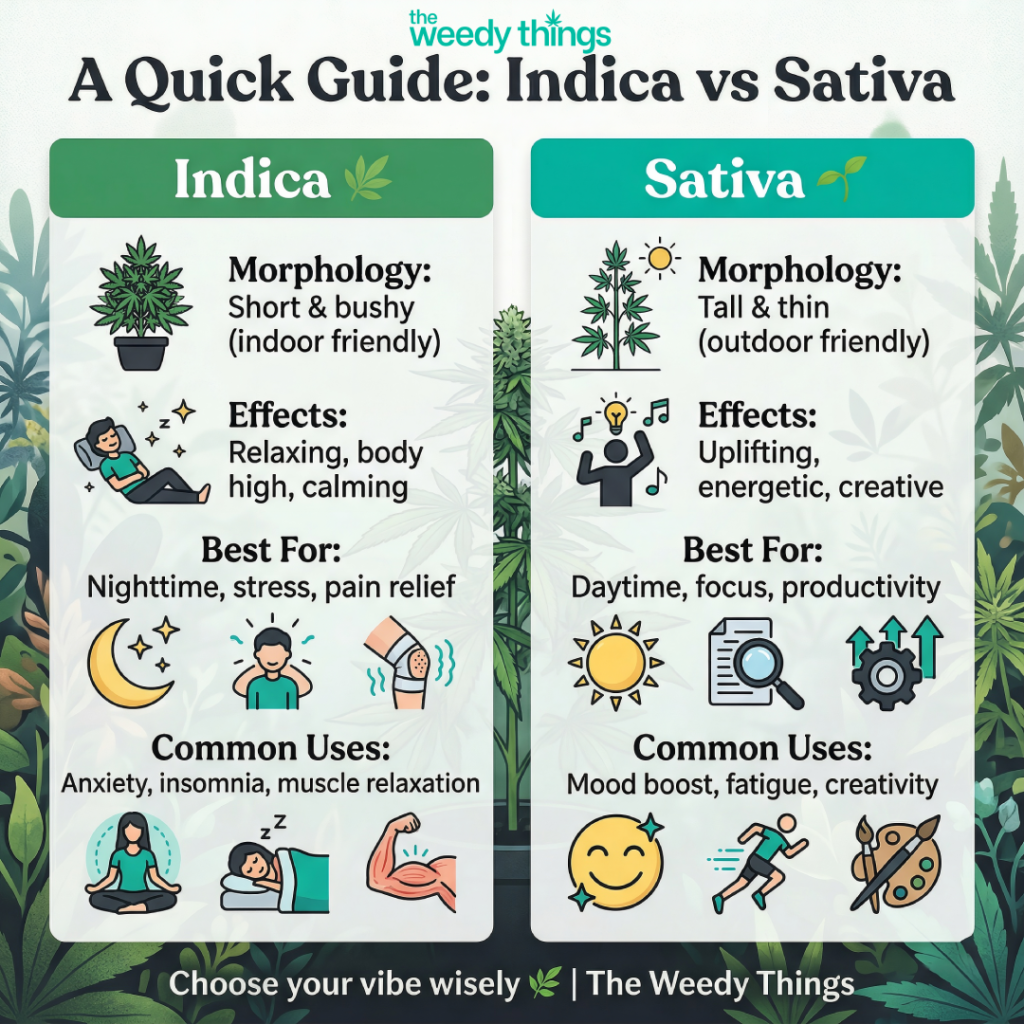
Indica vs Sativa vs Hybrid: Quick Comparison
Feature
Indica
Sativa
Hybrid
Plant Structure
Short, bushy plants with wide leaves
Tall, thin plants with narrow leaves
Mix of both characteristics
Typical Effects
Relaxing, sedating, calming
Energizing, uplifting, stimulating
Balanced or customized effects
Primary Experience
“Body high” (physical relaxation)
“Head high” (mental stimulation)
Combination of body + head effects
Plant Structure
Short, bushy plants with wide leaves
Tall, thin plants with narrow leaves
Typical Effects
Relaxing, sedating, calming
Energizing, uplifting, stimulating
Balanced or customized effects
Primary Experience
“Body high” (physical relaxation)
“Head high” (mental stimulation)
Combination of body + head effects
Common Effects
Body relaxation, sleepiness, stress relief, muscle relaxation
Increased energy, creativity, focus, uplifted mood
Mix of relaxation and energy depending on strain
Best For
Insomnia, anxiety, pain relief
Daytime use, socializing, creative work
Beginners, specific needs like “relaxed but focused”
When to Use
Before bed, after a long day, during stress
Morning or afternoon, before workouts, during tasks
Anytime depending on type (day or night)
THC & CBD Trends
Often higher CBD (but varies)
Often higher THC (but varies)
Varies widely
Types
Pure indica strains
Pure sativa strains
Indica-dominant, sativa-dominant, balanced hybrids
Overall Use Case
Relaxation and recovery
Energy and productivity
Flexible, personalized experience
This table offers a quick reference to understand the distinctions between each strain type.

Understanding Terpenes

Terpenes are natural compounds found in cannabis that give each strain its unique smell, flavor, and effects. They play a major role in how a strain makes you feel, sometimes even more than whether it’s labeled sativa or indica. Understanding terpenes can help beginners choose strains more accurately based on the experience they want.

Common Terpenes

Myrcene

Myrcene is known for its calming and relaxing effects and is commonly found in indica-dominant strains. It can promote sleepiness and is often chosen by users looking for stress relief or help with insomnia.

Limonene

Limonene has uplifting and mood-boosting properties, often giving a citrusy aroma. It’s ideal for reducing stress and anxiety while promoting a more positive, energized mindset.
Pinene
Pinene is associated with improved focus and alertness, along with a fresh pine-like scent. It may help with memory retention and is often preferred for daytime use or productive tasks.

When choosing cannabis strain types in Canada, always check terpene profiles if available.

How to Choose the Right Strain

If you’re confused about indica vs sativa vs hybrid, follow this simple method:

Step 1: Deciding Goal first

  • Indica → For Relaxation
  • Sativa→ For Energy
  • Hybrid→For Balance

Step 2: THC Level check

  • Beginners: Start low (5–10%)
  • Avoid high THC initially

Step 3: CBD consideration

  • CBD reduces anxiety effects
  • Good for beginners

Step 4: Start with Small dose

  • Take a small dose
  • Wait before increasing

Popular Types of Cannabis in Canada

Canada has long been a major player in cannabis culture even before legalization came into the picture.Whether you’re just getting started or already familiar with cannabis, knowing the origins of these strains can give you a deeper appreciation of what makes Canadian cannabis unique. Let’s explore five legendary strains that either originated in Canada or gained massive popularity here, and see how they continue to shape the industry today.

1. Rockstar: Canada’s Classic Heavy Hitter
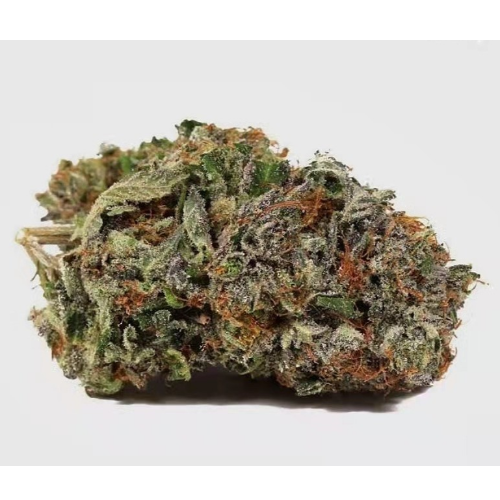
Rockstar is a well-known indica-dominant hybrid that originated in British Columbia. It is famous across Canada for its intense body relaxation and bold, pungent aroma. Created by crossing Rockbud and Sensi Star, this strain is widely appreciated for its powerful effects.

Typical Profile
THC: 19–24%
Effects: Deep relaxation, mood uplift, stress relief

Flavour: Earthy, skunky, herbal

2. God Bud: A Heavenly Hybrid

God Bud, developed by BC Bud Depot, is a unique blend of Hawaiian, Purple Skunk, and the mysterious “God” strain.

Typical Profile
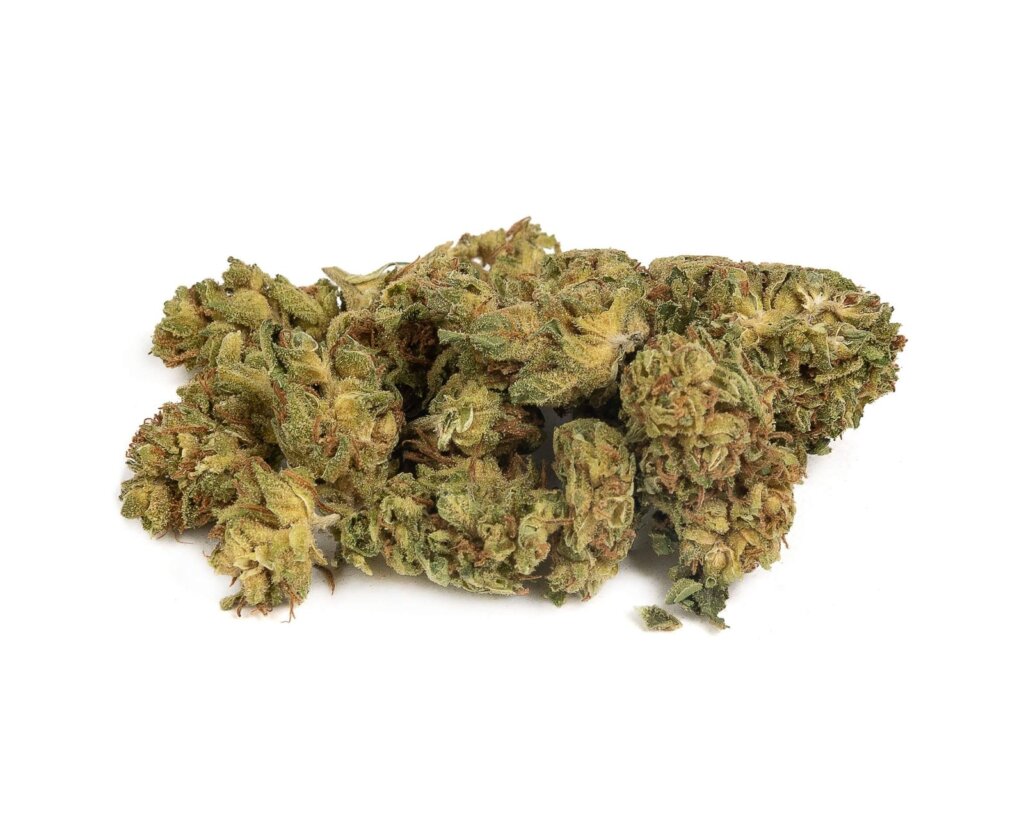
Typical Profile

Effects: Euphoric, calming, slightly sedating
Flavour: Earthy, sweet, tropical
3. Jean Guy: The Pride of Quebec

Jean Guy is Quebec’s most celebrated cannabis strains and is often considered a phenotype of White Widow. Popularized by House of the Great Gardener and later Tweed, this citrusy, sativa-leaning strain has earned a loyal following.

Typical Profile

THC: 18–24%
Effects: Uplifting, energetic, creativity-boosting
Flavour: Lemon, pine, spice
4. Romulan: The Canadian Space Legend

Romulan is a potent indica-dominant strain known for its strong, almost dreamy cerebral effects. Named after the alien race from Star Trek, it became especially popular on the West Coast through breeders like Federation Seed Company.

Typical Profile
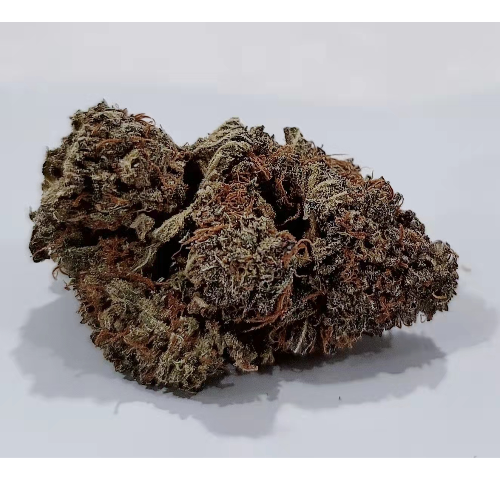
THC: 16–22%
Effects: Heavy relaxation,
introspective, spacey Flavour: Pine, earthy, citrus hints
5. Pink Kush: The Queen of Canadian Indicas

Pink Kush, believed to be a descendant of OG Kush, is one of Canada’s most loved indica strains. It is known for signature pink pistils and sweet, vanilla-gas aroma.

Typical Profile

THC: 20–25%

Effects: Relaxing, euphoric, sleep-inducing
Flavour: Vanilla, floral, gas

Future of Cannabis Classification

The cannabis industry is rapidly evolving, and the way strains are classified is changing along with it. While terms like indica, sativa, and hybrid are still widely used across cannabis in Canada, experts and producers are now shifting toward more accurate, science-based classification methods. This includes focusing on terpene profiles, which influence aroma and effects, as well as cannabinoid content such as THC and CBD levels that directly impact how a strain feels.

In the coming years, cannabis classification is expected to become more personalized and data-driven. Instead of relying only on traditional labels, users will be able to choose strains based on their specific needs whether that’s relaxation, focus, pain relief, or creativity. Dispensaries and platforms are already moving toward personalized recommendations, using detailed product information to help consumers find the right experience more precisely.

That said, the indica vs sativa vs hybrid model still plays an important role, especially for beginners. It provides a simple starting point to understand general effects, but it’s gradually being supported (and in some cases replaced) by deeper insights into how cannabis actually works.

Final Thoughts

Understanding indica vs sativa vs hybrid is the first and most important step in your cannabis journey, especially if you’re new to cannabis in Canada. These categories offer a quick and easy way to identify what kind of experience you might expect from a strain.
To keep it simple:
  • Indica = Relaxation and calmness
  • Sativa = Energy and mental stimulation
  • Hybrid = A balanced mix of both
As a beginner, it’s always best to start with a low dose, pay attention to how your body reacts, and gradually explore different strain types. Over time, you’ll develop a better understanding of what works best for you. Staying informed about terpenes, cannabinoids, and product details will help you make smarter choices and have a safer, more enjoyable experience.

Frequently Asked Questions

Indica strains are typically relaxing and best for nighttime use, while sativa strains are energizing and better for daytime. Hybrid strains combine both effects, offering a balanced or customized experience depending on the strain.

Hybrid strains are usually best for beginners because they offer balanced effects. Start with low THC, consider some CBD, and always begin with a low dose.

Not completely. Effects depend more on cannabinoids (THC, CBD) and terpenes than strain type. Most modern cannabis strains are hybrids due to crossbreeding.

The main types are indica, sativa, and hybrid, but most strains in Canada are hybrids. Dispensaries also provide THC, CBD, and terpene details for better selection.
Choose based on your goal (relaxation, energy, focus). Check THC/CBD levels, review terpene profiles, and start with a low dose to see what works best for you.