
 Dispensaries
 Deliveries
 Brands
  Deals
Deals Learn
Learn Strains
  Doctors
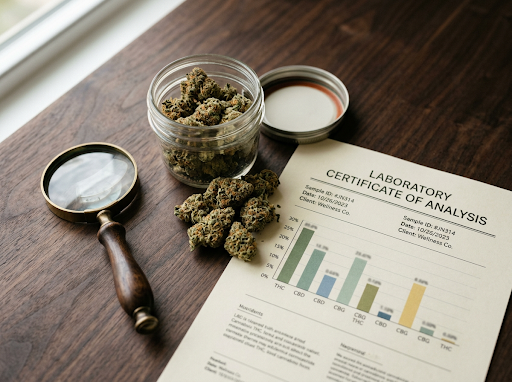
If you are looking for the best marijuana strains for your migraines, the bottom line is that no single strain will work for everyone, since the true factor in determining whether or not a strain helps relieve the pain from your migraines is the chemotype of a strain, meaning the ratio of THC to CBD and the terpenes it contains, not the name of the strain. Clinical studies on patients using medical marijuana and vaporized marijuana have confirmed the effectiveness of a certain combination of THC/CBD in reducing the pain from migraines as well as their frequency and sensitivity to light/sound during the attack.
Understanding Migraines
Migraines are more than just an ordinary headache; they are usually accompanied by pulsating pain, vomiting, and sensitivities to light and noise, and they can persist for hours to days. The causes of migraines include genetics, hormones, and certain triggers within the environment, and the usual management techniques like pain-relief medications and prophylactic medications are not sufficient in all cases. This deficiency has been one reason why there has been increased attention paid to the possible use of cannabis as well.
Can Medical Marijuana Treat Migraine? What the Studies Say
- The results of a clinical trial conducted in 2024 showed that vaporized cannabis containing THC and CBD was superior to a placebo both in providing pain relief and being pain-free in two hours and alleviating light and noise sensitivity during an attack without any adverse effects.
- In a cross-sectional study involving medical cannabis users (Brain Sciences journal), more than 60% of patients reported a significant and persistent decrease in monthly migraine frequency as well as decreased use of other migraine medications.
- The results of a review carried out in 2022 in Frontiers in Neurology involving almost 2,000 patients across 12 studies showed that medical cannabis helped to decrease migraine days per month and alleviated nausea caused by migraines.
- However, some research results are not always positive; for example, a review published in Headache in 2025 shows that even though cannabinoids help to decrease the frequency of headaches and pain, they may cause dependence and medication-overuse headaches.
Recommended Resources: Top 10 Cannabis Strains for Improved Sleep
The Best Cannabis Strains for Migraine Relief
How to Choose Based on When and Why You're Using It
- Daytime relief: CBD-rich (dominant or balanced) chemotype (Harlequin, ACDC, Cannatonic, Charlotte’s Web) will aid in pain relief without a high level of impairment because of continued functioning and ability to work or drive.
- Nighttime pain or migraines: chemotype that is rich in myrcene (indica strain, like Granddaddy Purple, Northern Lights, Purple Kush, OG Kush) because myrcene has a reputation of being able to cause sedative effects.
- Several symptoms (pain and nausea, pain and stress or anxiety): balanced chemotypes (Blue Dream, Girl Scout Cookies).
If you are a beginner or the reason why you need cannabis is because of migraines, the recommended thing to do is to start from the lowest possible THC concentration.
Consumption Methods: What Changes the Results
- Inhalation (flower or vaping): fastest onset (minutes), the fastest way to get a symptom-relieving dose in the case of an acute attack. The effects also wear off the quickest.
- Tinctures and oils (sublingual): faster and more consistent than edibles, but slower than inhalation, an option that may be preferable in terms of dose control.
- Edibles: slowest onset (30-90+ minutes) and long-lasting effects; this mode is suitable both for prevention and night use but can be difficult to dose since the effect comes on slowly.
Safety, Side Effects, and When to See a Doctor
Some of the typical side effects are a dry mouth, dizziness, and cognitive impairment in terms of forgetfulness and inability to concentrate. The consistent use of marijuana as a means of treating headache pains may result in medication-overuse headache; hence, it is best used as a complementary therapy but not an alternative to a broader approach in treating migraines.
In case your migraines are associated with sudden vision loss, confusion, unilateral weakness, or “the worst headache of your life,” visit your doctor immediately, because these symptoms should be evaluated rather than choosing a marijuana strain.
Frequently Asked Questions
What are the key characteristics to look for in cannabis strains for migraine relief?
Check the THC:CBD ratio and terpene profile in laboratory tests rather than strain name because balanced or CBD-rich chemotypes will be good for daytime consumption, while myrcene rich, indica dominant chemotypes will be useful for nighttime pain.
How do THC and CBD each contribute to migraine relief?
THC is connected to analgesia and reduces nausea, but CBD does not cause intoxication and is connected with anti-inflammation; patients achieve more benefits when these compounds work together compared to using either one alone.
Which terpenes matter most?
Myrcene (sedating, pain-relieving), caryophyllene (anti-inflammatory), and linalool (calming) are the three most often associated with migraine relief.
How do I figure out dosage and method?
Try the smallest dose that will work toward your goal, pick inhalation for attack mode or edible/tincture for preventive mode, and consult a budtender or doctor instead of guessing since everyone has different tolerance levels.
Is cannabis legal for medical use where I live?
It depends on your state or country, check your local regulations before purchasing, since legality and medical-use qualification rules differ widely.