
 Dispensaries
 Deliveries
 Brands
  Deals
Deals Learn
Learn Strains
  Doctors
Cannabis does not help develop muscle mass. In fact, THC could be detrimental in that it has been shown to decrease testosterone production and have no effect on athletic performance, while CBD seems to offer some hope in terms of helping with muscle recovery through sleeping, pain relief, and post-training body pains. The following is a rundown of the facts about how cannabis, THC, and CBD affect post-workout muscle recovery and growth and athletic performance.
The Science Behind Cannabis and Muscle Recovery
There are two major cannabinoids in marijuana: THC, an intoxicant that appears in most drug tests, and CBD, a non-intoxicant that isn’t prohibited by the World Anti-Doping Agency. Both substances bind to your endocannabinoid system, which consists of receptors responsible for pain, sleep, and inflammation. The crucial difference missed in most articles is that THC and CBD impact muscle growth and muscle recovery differently, and the scientific study of the effects of marijuana on athletes hasn’t been performed. We will consider these substances independently.
1. Pain and Inflammation Relief
Both DOMS and pain relief are the two fields that have the most scientific backing in relation to CBD. In the Sports Medicine journal of 2020, CBD was described to be a viable candidate for pain, sleep, and traumatic brain injuries in athletes; however, the studies used were said to have a lack of evidence based on athletes as the bulk of the evidence comes from pain and inflammation studies and not sports medicine. In simple language: CBD-based products are a safe way to try out in relieving muscle soreness, but there is no CBD strain or any other product clinically proven to increase muscle recovery in athletes.
2. Muscle Relaxation
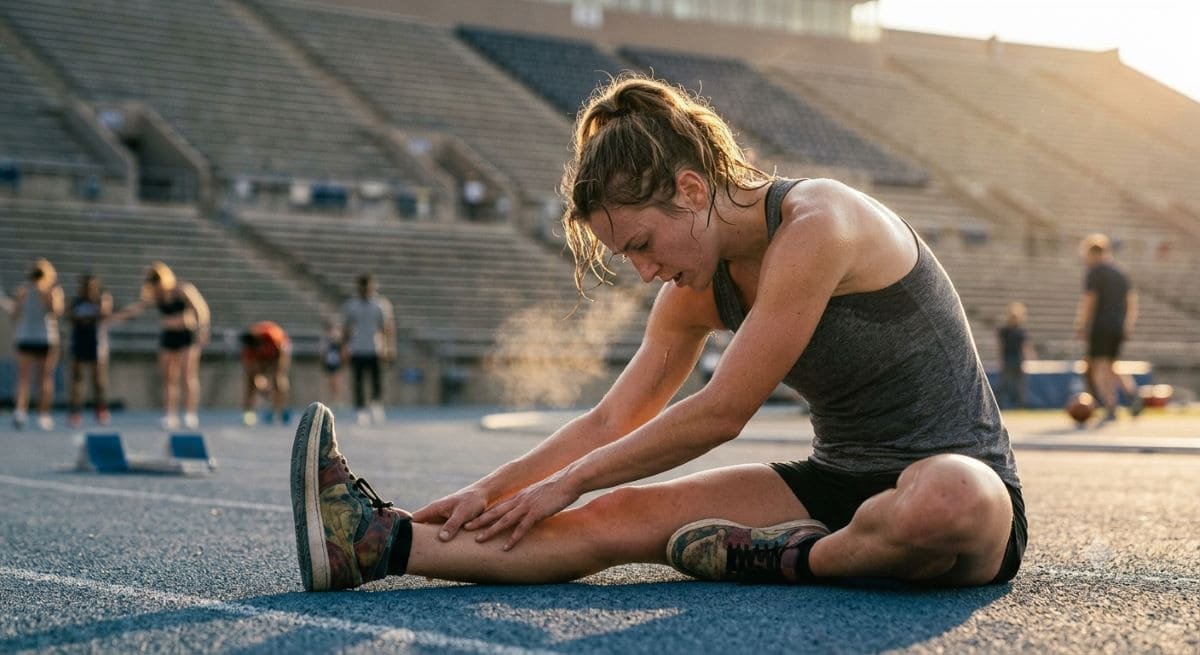
3. Sleep Quality Improvement
It is in relation to sleep where the recovery properties of cannabis are most evidenced, since the production of growth hormones as well as muscle repair take place in the deeper stages of sleep. What must be understood here is that THC can reduce REM sleep even as it aids in falling asleep more quickly – thus trading sleep quality for sleep quantity. For those who seek to maximize sleep for muscle repair, it is better to begin with a product that has less THC and more CBD/CBN, rather than one that has more THC.
Does THC Affect Testosterone and Muscle Growth?
This is the question most athletes are truly concerned with, and the answer is rather ambiguous and appears to be dose-dependent.
- In a study conducted in 2019 on NHANES data (national U.S. health survey) the authors have shown that any THC consumption was associated with elevated average testosterone levels when compared to the abstinent population; however, in the consumers, the larger THC dose was correlated with the lower testosterone levels in comparison with the smaller dose. Thus, the dose response relationship, but not the binary one, seems to play a crucial role.
- Animal and cellular experiments from before the turn of the millennium showed that THC could act as an inhibitor of the process of testosterone biosynthesis and decrease the activity of its receptor in the testicular tissue; such biological plausibility might be considered.
- According to a 2021 sports medicine review (Cannabis and Athletic Performance, Sports Medicine), the effects of the whole plant and THC on strength and endurance performance are likely to be negative or nonexistent, with no performance improvement observed.
Evaluating Specific Weed Strains for Muscle Recovery
Different cannabis strains offer varying benefits, and selecting the right strain can significantly impact muscle recovery and growth. Here’s a closer look at some popular strains and their potential effects:
THC vs. CBD for recovery
There is a disparity on how THC and CBD affect muscle recovery – one of them may even have adverse effects on your fitness training if not used responsibly. Here are their comparisons to each other:
Using Cannabis Responsibly for Fitness Goals
While cannabis may offer several benefits for muscle growth and recovery, it’s essential to use it responsibly and in conjunction with other recovery strategies. Here are a few tips for incorporating cannabis into your fitness routine:
1.Start Low and Go Slow: If you’re new to cannabis, start with a low dose and gradually increase as needed. This approach helps you gauge how your body responds and prevents any unwanted side effects.
2.Choose the Right Strain: Select strains based on your specific needs. For pain relief and inflammation, consider high CBD strains like Blissful Wizard. For relaxation and improved sleep, strains like Ice Cream Cake and Wedding Cake may be beneficial.
3.Combine with Other Recovery Methods: Cannabis should complement other recovery strategies, such as proper nutrition, hydration, stretching, and adequate sleep. It’s not a substitute for a comprehensive recovery plan but can be a valuable addition.
4.Consult with a Professional: If you’re considering using cannabis for fitness purposes, consult with a healthcare professional or a knowledgeable cannabis expert. They can provide guidance on dosage, strain selection, and potential interactions with other medications or health conditions.
Cannabis holds potential for enhancing muscle growth and recovery, thanks to its pain-relieving, anti-inflammatory, and muscle-relaxant properties. Strains like Greasy Runtz, Blissful Wizard, Wedding Cake, and Ice Cream Cake each offer unique benefits that can support various aspects of muscle recovery. However, it’s crucial to use cannabis responsibly and integrate it into a well-rounded fitness and recovery routine.
As more research emerges on the effects of cannabis on fitness and health, athletes and fitness enthusiasts can make informed choices about incorporating these powerful plants into their regimen. By understanding how different strains impact muscle recovery and overall well-being, you can optimize your fitness journey and achieve your goals more effectively.
Frequently Asked Questions
Does weed affect muscle recovery?
Indirectly, Yes. Weed itself does not aid in the process of muscle repair or muscle growth ; however, CBD can assist in getting sleep and dealing with soreness which will improve recovery, while excessive use of THC can be detrimental due to interference with deep sleep and possible decrease in testosterone levels in higher doses.
No such cannabinoid exists which is clinically proven to accelerate muscle recovery directly.
Does weed help with muscle soreness?
Yes, some people report an alleviation of pain from cannabis, especially CBD, through its effect on pain modulation and anti-inflammatory properties, although specific studies on athletes are rather few. THC can reduce the perception of pain and make one relax.
Is THC good for muscle recovery, or is CBD better?
For muscle recovery specifically, there is more relevant research regarding the benefits of CBD (such as pain relief, sleep improvement, anti-inflammation), as well as no negative aspects like intoxication, drug testing failure risk, and even potential testosterone lowering effects due to the higher dose of THC. The latter might help one fall asleep faster, but it does not mean that it is a better choice for muscle recovery based on the existing research.
What are good edibles for sleep and muscle repair?
Low doses (5–10mg THC or less) of CBD-dominated foods consumed 60–90 minutes before bedtime are the better place to start due to the unpredictable slow onset of effects of high THC foods that lower REM sleep but help you fall asleep faster.
What are the best cannabis products for post-workout muscle soreness?
Localized pain relief CBD topicals (which usually do not show up on drug tests), and low-dose CBD dominant tinctures or edibles for general relaxation and sleep for athletic recovery .