
 Dispensaries
 Deliveries
 Brands
  Deals
Deals Learn
Learn Strains
  Doctors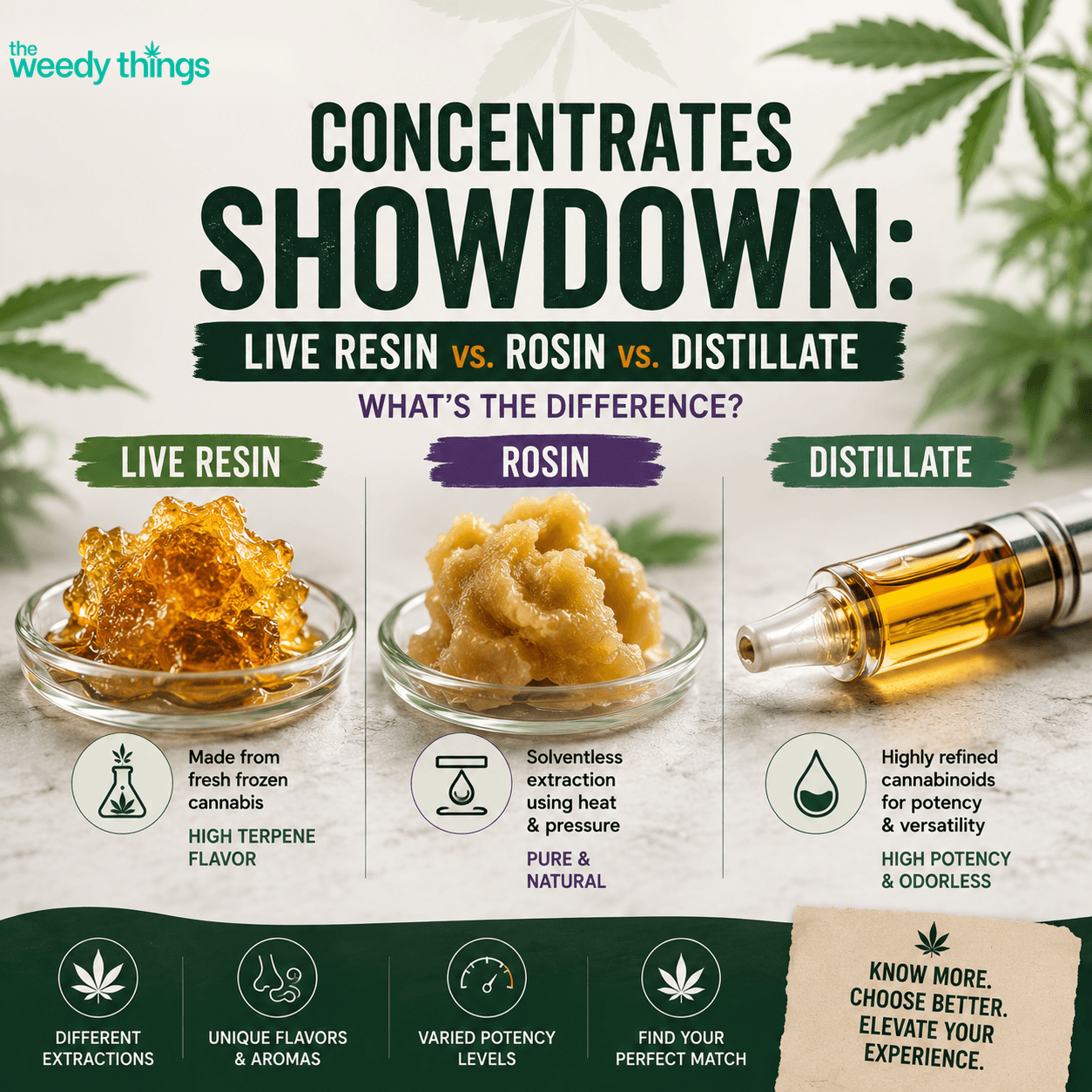
Have you ever stood in front of a dispensary case, staring at labels like shatter, badder, rosin, and distillate? Many people talk about cannabis concentrates, but they really want to know the difference between resin and rosin. Dispensaries often sell these two products at different prices, and they don’t taste the same or make you feel the same either. Then there’s distillate, which adds a third option to the mix. In short, resin, rosin, and distillate are three types of concentrates, and manufacturers make each one differently. As a result, they taste different and cost different amounts.
You might wonder what makes live resin different from rosin. And what about distillate? How does it compare to the other two? People want answers because they want to make an informed choice when buying cannabis concentrates. Live resin, rosin, and distillate are all popular right now, but they are not all the same.
Quick Answer: Live Resin vs Rosin vs Distillate
In short: live resin and rosin come from fresh frozen cannabis, so they keep more natural terpenes. Distillate, on the other hand, starts with dried and cured flowers and gets distilled into pure THC oil. Manufacturers produce live resin using hydrocarbons such as butane. Rosin makers skip solvents entirely and rely only on ice water, heat, and pressure. Distillate, meanwhile, goes through solvent extraction followed by further distillation to remove terpenes. As a result, distillate has the highest THC percentage, but many people still prefer rosin and live resin for their flavor.
What Are Cannabis Concentrates?
Concentrates are versions of cannabis that pull out cannabinoids and terpenes in a much stronger way. For example, regular cannabis has around 20% THC, but a small dab of concentrate can pack 70% to 90% THC. In general, concentrates fall into two categories. The first category covers extracts, like live resin or distillate, which rely on solvents such as butane, CO2, or ethanol. The second category covers solventless extracts, like rosin, which use only ice water and pressure.
What Is Live Resin?
Live Resin begins with fresh cannabis. Producers harvest and flash-freeze the plant right away, instead of drying and curing it like other flower. This flash-freezing step preserves terpenes that would otherwise dissipate during curing. Next, producers extract the frozen material using hydrocarbons, most commonly butane or propane, to pull out cannabinoids and terpenes. Live Resin is sticky and aromatic, and its texture ranges from sauce to sugar, badder, and shatter. As a result, it has become a go-to choice for dabbers and vape users who want flavor without sacrificing potency.
What Is Rosin (and Live Rosin)?
Rosin isn’t about what it’s made from; it’s about how makers make it. Using chemical solvents, rosin makers apply heat and mechanical pressure, often with a hair-straightener-style rosin press, to pull resinous oil directly from flower, hash, or knife. When the starting material is fresh-frozen or dried, the result becomes live rosin. Many consider it one of the highest-quality, terpene-rich concentrates available, since only water, ice, heat, and pressure ever touch the plant.
What Is Distillate?
Distillate stands at the polar opposite end of the scale compared to rosin. It begins as raw cannabis oil that producers extract from dried flowers using solvents. They then pass it through a process called short-path distillation, which sorts compounds based on their boiling points. The resulting product is an odorless oil that tests over 90% THC but leaves virtually no terpenes. For this reason, many distillate products have terpenes added to give them a certain strain’s taste.
Live Resin vs Rosin: The Head-to-Head Comparison
Here’s how the two most-searched concentrates stack up, a quick-scan reference before your next dispensary run.
Which Wins for Flavor, Live Resin or Rosin?
Live Resin vs Rosin for Medicinal Use
For medical patients, both products appeal because of the entourage effect, the idea that terpenes and cannabinoids work more efficiently together than alone. Because live rosin contains no solvents, many patients favor it when they want to avoid residue. Live resin, meanwhile, offers a similar full-spectrum profile at a more affordable price, which makes it a solid compromise for price-sensitive patients.
Rosin vs Distillate: Purity Versus Potency
Rosin and distillate differ in a big way. Manufacturers specifically design distillate to deliver the maximum amount of raw THC, reaching 85-99% THC, comparable to some of the strongest marijuana strains on the market. Rosin, on the other hand, keeps all the natural compounds from the plant intact, which makes a big difference for those who value the whole-plant experience.
- Choose distillate if: you want maximum THC per dollar, a flavorless base for edibles, or consistent batch-to-batch potency.
- Choose rosin if: you want a solvent-free product, bold natural flavor, and don’t mind paying a premium for smaller yields.
Live Resin vs Distillate: Convenience Versus Craft
Whether live resin or distillate is better depends on how you plan to use it. When it comes to ease and longevity, distillate wins; manufacturers use it extensively in mainstream cannabis vapes, edibles, and tinctures because of its stability and consistent dosage. For flavor, though, live resin takes the cake: it’s perfect for dabbing and tastes just like the strain it came from.
How to Choose the Right Concentrate for You
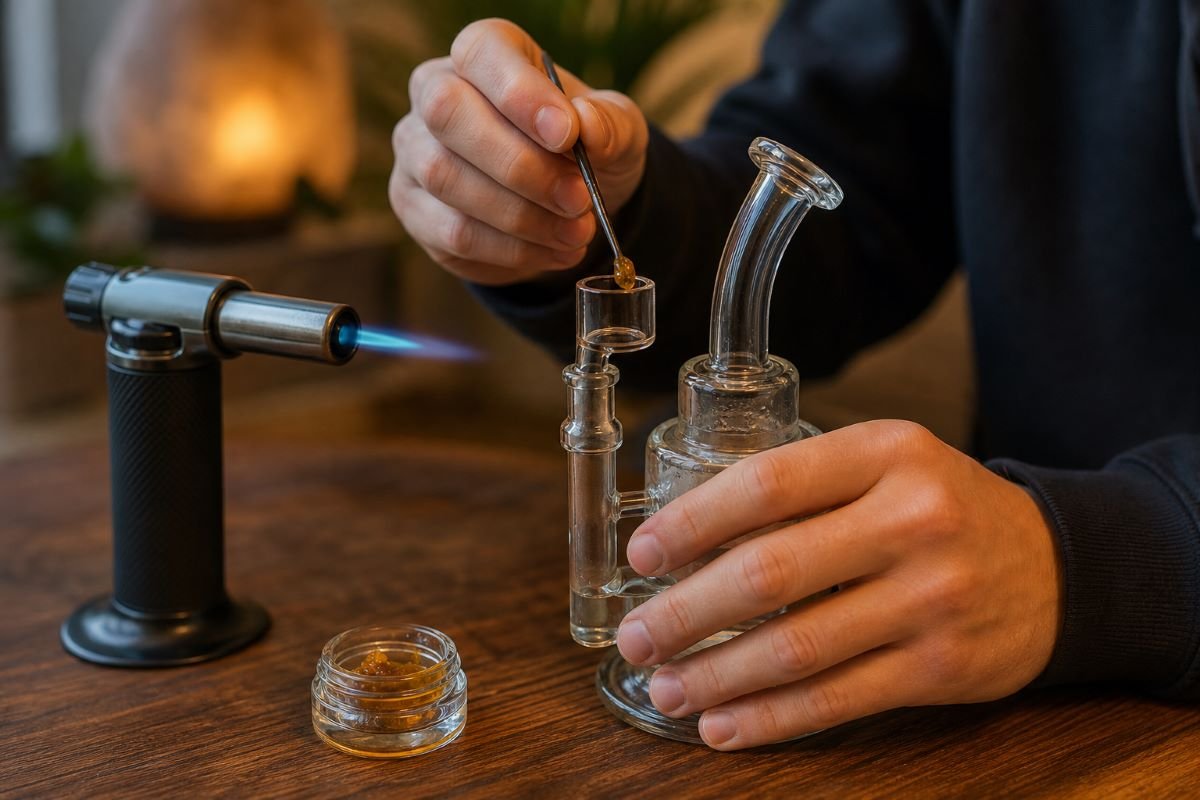
In general, the more complicated the extraction process, the higher the price. Distillate is the most inexpensive option because it comes from large quantities of cured flower. Live resin falls in the middle. Live rosin, especially in small batches, costs the most, thanks to its low yield and solventless nature. But aside from cost, choose your concentrate according to your priorities:
- Dabbing or vaping for the first time? Opt for live resin concentrate for an evenly-balanced profile and easy-on-the-palate experience.
- Trying to maximize THC content while minimizing expense? Look no further than distillate.
- Desiring something close to smoking flowers? Go for live rosin concentrate.
- Planning on consuming edibles? Distillate’s tastelessness helps with accurate dosing.
- Worried about exposure to solvents? Live rosin doesn’t use any.
Where to Buy Lab-Tested Live Resin, Rosin, and Distillate
No matter where you buy your cannabis products, always ask for a recent COA from an independent testing facility. An authentic COA verifies potency levels and tests for solvents, pesticides, and heavy metals, which matters especially for solvent-based products like live resin and distillate. Legitimate, licensed dispensaries and delivery services provide COAs directly in their product listings, so it’s worth checking before you buy. If you’re still not sure which cannabis companies to trust, take a look at our list of best brands.
Conclusion
At the end of the day, live resin, rosin, and distillate all play a role in a well-rounded cannabis regimen. When you compare flavor and potency between live resin vs rosin, rosin tends to win with a cleaner profile and higher terpene content, while live resin stands out for its affordability and flavor. And when it comes down to live rosin vs distillate, the choice really comes down to solventless artistry versus straightforward potency.
Frequently Asked Questions
What is the main difference between live resin and rosin?
Extraction method. Live resin uses hydrocarbon solvents like butane on fresh-frozen flowers, while rosin uses only heat and pressure, with no solvents at all.
Which gets you higher, live resin or distillate?
Distillate usually tests higher in raw THC percentage, but live resin’s terpenes and minor cannabinoids can make effects feel more rounded despite the lower number.
Is rosin or distillate better for medicinal use?
Many patients prefer rosin for its full-spectrum, solvent-free profile and potential entourage effect, though distillate’s consistent dosing suits patients who need repeatable results.
How much do live resin and rosin typically cost at a dispensary?
Live resin generally falls mid-price, while live rosin, especially small-batch, tends to be the most expensive due to its labor-intensive, low-yield production.
Where can I find lab-tested live resin and rosin near me?
Look for licensed dispensaries and delivery platforms that publish third-party COAs for every batch, the most reliable way to confirm potency and purity.