
 Dispensaries
 Deliveries
 Brands
  Deals
Deals Learn
Learn Strains
  Doctors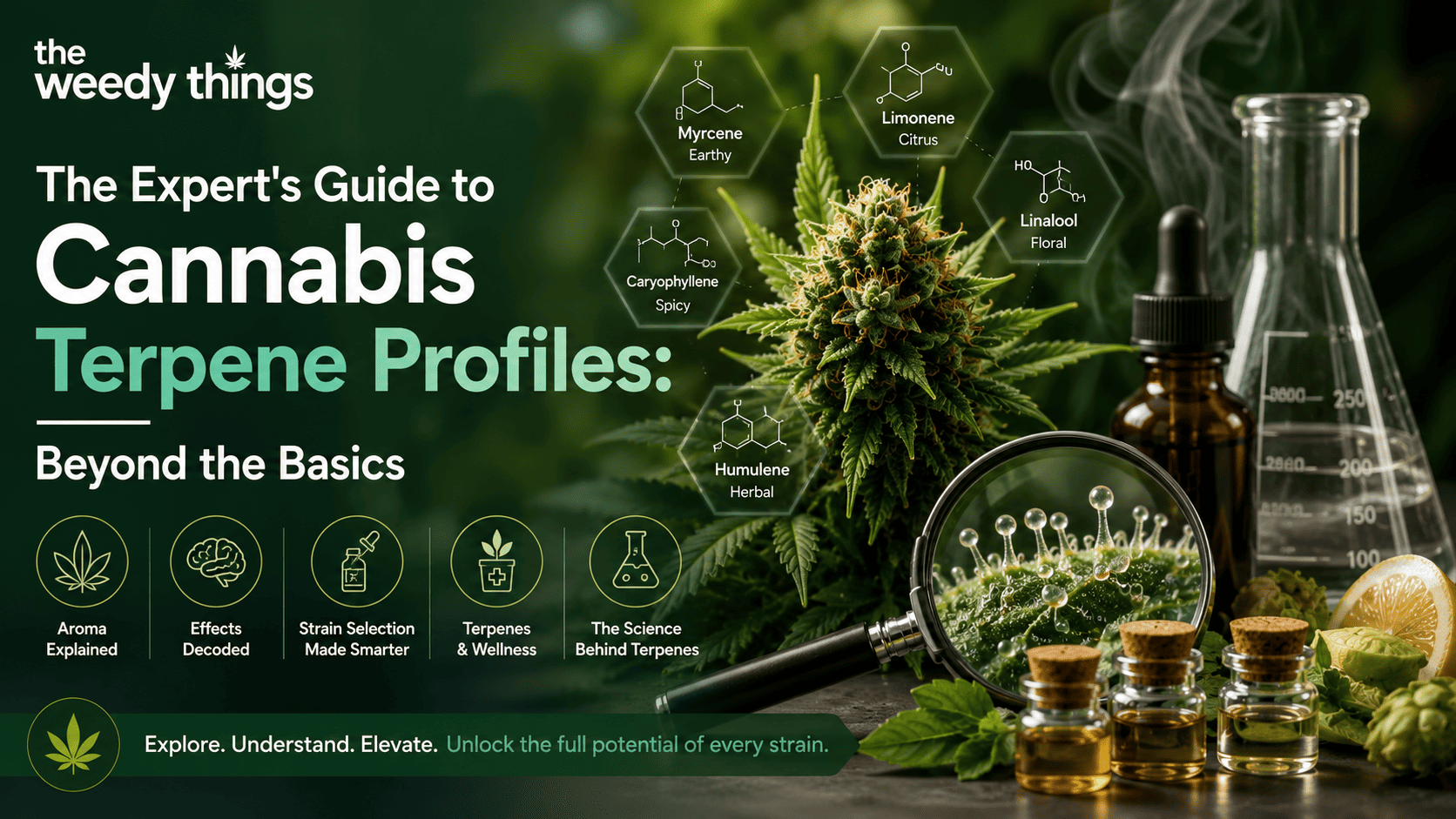
Key Takeaways
- Cannabis terpene profiles explain why two strains with identical THC can smell, taste, and feel completely different.
- Myrcene, limonene, caryophyllene, pinene, linalool, and humulene are the six terpenes worth learning first.
- The entourage effect is a widely discussed theory, but current research still calls it unproven, not confirmed.
- A Certificate of Analysis, or COA, is the most reliable source for a product’s actual terpene content.
- Terpene levels shift batch to batch, so the strain name alone never tells the full story.
Why Two Jars With the Same THC Can Taste Completely Different
What Cannabis Terpene Profiles Actually Tell You
The Core Terpenes Behind Every Strain's Character
A short list of terpenes shows up again and again across popular strains. Learning these six gives you a real advantage before you even look at a menu. The table below breaks down common cannabis terpene profiles and the general mood each one creates.
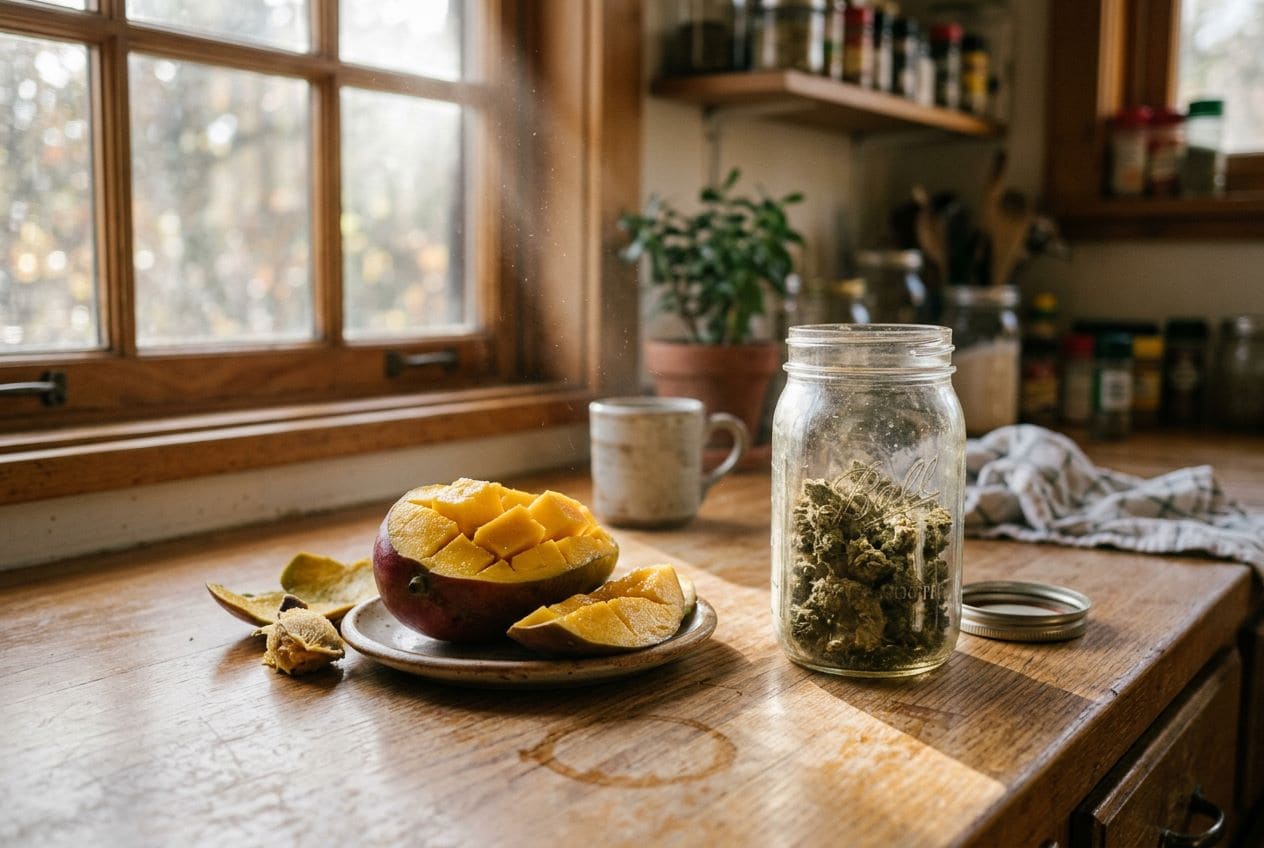
Myrcene deserves special attention because it is the most common terpene in commercial cannabis. Many longtime consumers swear by a simple trick. They eat a ripe mango about forty-five minutes before a session, since mangoes carry a high amount of myrcene too.
Beyond the Basics: Lesser-Known Terpenes Worth Knowing
Once you know the core six, you’ll start noticing other minor terpenes on detailed lab reports. These terpenes appear less often, but they still shape a strain’s unique aroma.
- Ocimene brings a sweet, herbal note, and it often shows up in strains that feel energizing and uplifting.
- Geraniol smells like freshly picked roses. You’ll find it in strains like Amnesia Haze.
- Bisabolol carries a soft, chamomile-like aroma, and people often associate it with relaxation.
- Valencene delivers a sweet, orange-like citrus note, and it shows up in tropical-leaning hybrids.
- Terpinolene leans floral and herbal with a hint of citrus, and it’s common in sativa strains like Ghost Train Haze.
How Terpenes and Cannabinoids Work Together
You’ve probably heard the term entourage effect used to describe how terpenes and cannabinoids interact. This theory suggests terpenes do more than add scent. They may shape how THC and CBD feel when consumed together rather than alone. It’s a compelling idea, but it’s also still an open question. In fact, a recent NIH publication noted that researchers have not yet proven this synergy through controlled clinical trials. So treat bold entourage-effect claims with healthy skepticism, and rely on lab-verified terpene data instead.
Reading a Terpene-Rich Product Before You Buy
You don’t need a chemistry degree to shop by cannabis terpene profile. You just need a short routine that experienced buyers already use.
- Smell the jar first, if you can, and notice what the aroma reminds you of.
- Then check the lab report for named terpenes and real percentages, not vague marketing terms.
- Match the mood you want to the aroma family. Citrus tends to feel uplifting, and earthy tends to feel calming.
- Ask a budtender to show you strains by dominant terpene, not just by THC percentage.
- Finally, compare two options side by side, one citrus and one earthy, to see which family you prefer.
Terpenes and Flavor: Why Two Strains With the Same THC Taste Different
This brings us back to the mystery from the introduction. Two jars can share nearly identical THC levels, yet taste completely different, even when they come from the same genetics. Growing conditions, curing time, and extraction method all shape the final terpene mix. Fresh-frozen extracts like live resin preserve more of the original cannabis terpene profile. That’s because they skip the drying steps that cause delicate compounds to evaporate.
What We Notice When Shoppers Compare Two Jars
Weekends bring the busiest counters. The most common moment is a shopper holding two jars with nearly identical THC numbers, unsure which to pick. Once they smell both jars and hear the terpene breakdown, the choice usually gets easier fast. Shoppers who lead with aroma and dominant terpene, instead of the THC number alone, consistently get the experience they expected. That pattern is exactly why we built this guide.
Conclusion
Once you start paying attention to what the terpenes do and how they help, shopping stops feeling like a guessing game. It’s no longer just about the THC and CBD numbers on the package. The THC content only tells part of the story. The cannabis terpene profile fills in the rest, from the mood a jar sets to the flavor of your first exhale.
Frequently Asked Questions
Do terpenes actually affect your high?
Most researchers believe terpenes influence the character of an experience, whether that means relaxation or stimulation. Scientists are still studying the exact mechanism, though. Terpenes work alongside cannabinoids, not as a replacement for them.
What terpenes do people ask about most for everyday comfort?
People commonly ask about terpenes linked to relaxation and calm, such as myrcene, linalool, and caryophyllene. This information is general and educational only, not medical advice. Anyone managing a health condition should talk to a doctor first.
Does a higher terpene percentage mean a stronger high?
Not necessarily. A higher terpene percentage usually means a more intense aroma and flavor. But the overall experience still depends heavily on cannabinoid content and your own tolerance.
Are cannabis terpene profiles the same every time I buy the same strain?
No. Terpene levels shift between harvests due to growing conditions, curing, and storage. So the most accurate picture always comes from the current batch’s COA, not the strain name alone.
Where can I find detailed cannabis terpene profiles before I buy?
Licensed dispensaries typically post lab-tested COAs for each batch. Many online directories also let you browse strains, dispensaries, and delivery options by dominant terpene. That way, you can compare before you commit.